Refrigerator Not Cooling? 7 Things to Check Before You Call
Seven safe checks for a refrigerator that is not cooling, from temperature settings to dirty condenser coils, and the signs that mean you need a technician.
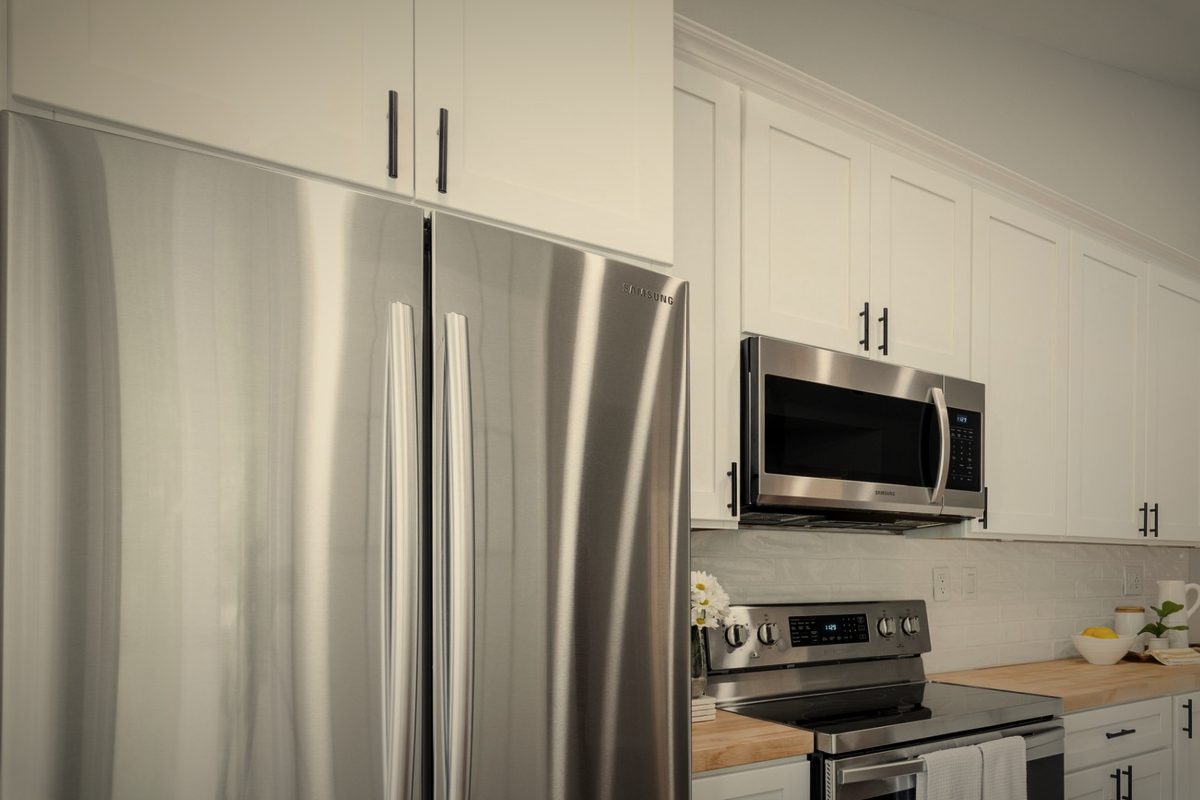
A warm refrigerator is one of the most stressful appliance problems because food is on the clock. Before you book a repair, a few simple checks can either fix the problem or tell you exactly what to report to the technician.
1. Confirm the temperature settings
The FDA recommends keeping the refrigerator at 40°F or below and the freezer at 0°F. Settings sometimes get bumped while loading groceries or cleaning. Set the fridge to about 37°F and give it 24 hours to settle before deciding it is broken.
2. Clean the condenser coils
Condenser coils release heat from the refrigerator. When they are covered in dust and pet hair, the system works harder and cools less. On most models they sit behind the bottom kick plate or on the back. Unplug the refrigerator and clean them with a coil brush or vacuum.
3. Test the door gaskets
Close the door on a dollar bill. If it slides out with no resistance, the seal is weak at that spot and warm air is getting in. Wipe the gasket with warm soapy water, since sticky residue can keep it from sealing. A torn or flattened gasket should be replaced.
4. Make sure the vents are not blocked
Cold air flows from the freezer into the fresh-food section through small vents. An overfilled shelf or a box pushed against the back wall can block that flow and leave the fridge warm while the freezer stays cold.
5. Listen for the fans
With the door open and the light switch pressed, you should hear the evaporator fan in the freezer. On most models a condenser fan also runs near the compressor at the bottom. Silence, grinding, or a fan that will not spin usually means a part needs to be replaced.
6. Look for frost on the freezer back wall
A thick layer of frost on the back panel of the freezer usually points to a defrost system problem: a heater, sensor, or control. Frost blocks airflow, which is why the fridge warms up first. Manual defrosting buys time, but the failed part needs a repair.
7. Give it room to breathe
Refrigerators need airflow around them. A unit pushed tight against the wall or boxed in by cabinets with no gap can overheat. Check the installation clearance in your owner's manual.
When to call a technician
- The compressor clicks on and off but the fridge never gets cold
- Fans are silent or noisy
- Frost keeps building up on the freezer back wall
- Water is leaking under the unit or pooling inside
- Temperatures are still above 40°F a day after the checks above
Built-in refrigerators such as Sub-Zero, Thermador and Viking have sealed systems and electronics that need a trained technician. If food is at risk, move it to a cooler with ice while you wait for the visit.
Need a technician? $115 service call, free when we complete the repair. Open daily 8am–8pm.